Mind-body integration + depth psychology

Los Angeles • Pepperdine University
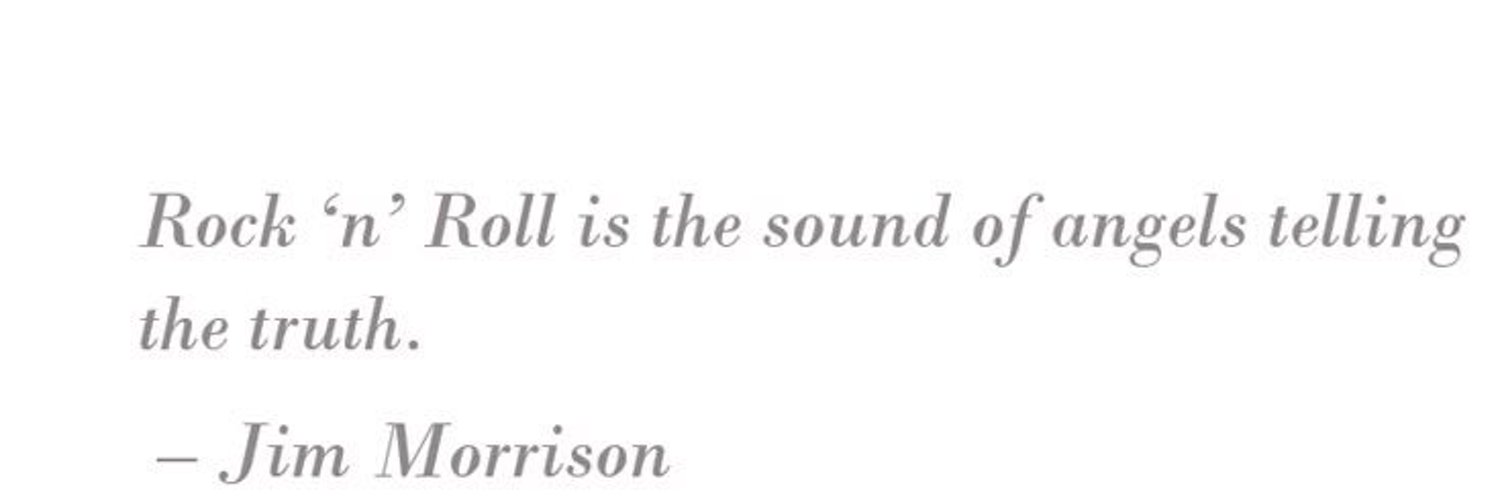
Quote from Jim Morrison
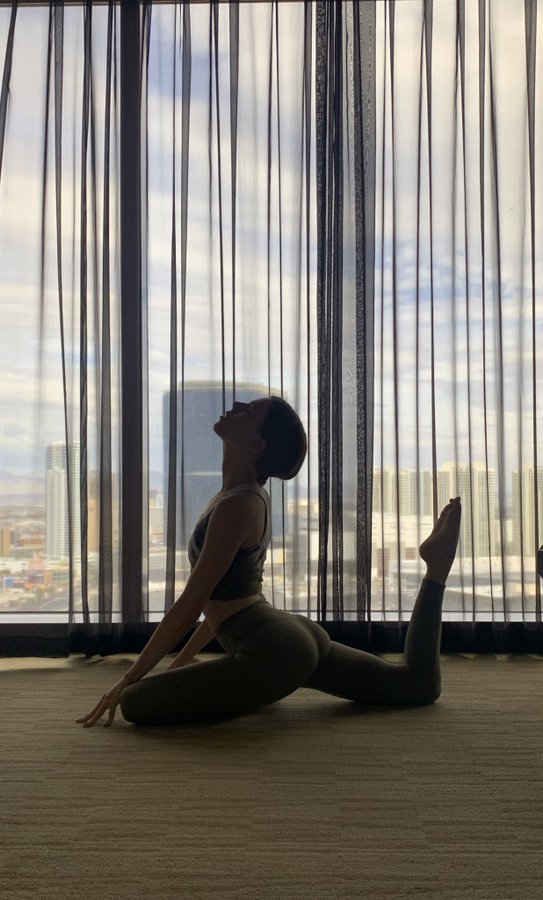
Isabelle Schneider in a yoga pose

Isabelle Rae 200-Hour Yoga Instructor · M.A. Clinical Psychology (in progress)

I work at the intersection of technology, AI, cryptography, esotericism, spirituality, and holistic practice. My focus is the mind-body connection, integrating yoga with a neuropsychology foundation to create grounded, expansive, and effective care.

Clinical + Somatic Focus

Nearly finished with my Master's in Clinical Psychology at Pepperdine University. I have five years of legal work in psychedelic-assisted psychotherapy and a deep commitment to ethical, embodied care.

Mind-Body Method

I integrate yoga, neuropsychology, and contemplative practice to support regulation, insight, and meaning-making—bridging ancient wisdom with modern science.

Culture + Curiosity

Technology, AI, and cryptography fascinate me just as much as mysticism and the esoteric. I’m drawn to the places where systems meet soul.

Mentors + influences

  • Stanislav Grof
  • Ram Dass (Richard Alpert)
  • Martin Seligman
  • Alan Watts

Reading life

Reading is a priority in my work and my life. I read extensively—Carl Jung, Jim Morrison, Sylvia Plath, Joan Didion, Eve Babitz, and Michael Pollan among many others. Writing samples will be added soon.

Music, always

Music shapes how I listen and how I hold space. My roots lean into the 60s-70s: The Beatles, The Beach Boys, The Mamas & The Papas, Deep Purple, The Byrds, Donovan, David Bowie, and The Velvet Underground.

analog heart psychedelic history sonic ritual

Private practice (in development)

I am building a private practice to collaborate with leaders in AI, technology, and high-profile or ultra high-net-worth communities—supporting depth, clarity, and sustainable wellbeing at scale.

Areas of focus

  • Mind-body integration and nervous system regulation
  • Meaning-making, purpose, and identity
  • Ethical psychedelic-assisted psychotherapy
  • Conscious leadership and creative performance

Selected Writing

Full text versions of recent essays and research writing. More long-form work will be added here soon.

Psilocybin Mushrooms: A Brief History Through Interviews

For this article, discussing the history of psilocybin mushrooms, I interviewed Nate Macanian, founder of the Johns Hopkins Psychedelic Society and Jordan G., co-founder and CEO of Blue Sunday, a psilocybin microdose distribution company.

Nate Macanian

“I’m a mindfulness meditation teacher, writer, plant medicine guide, and builder of intentional communities. As a wellness programming specialist, I’ve hosted interactive classes and retreats for world-class companies such as Google, Twitter, Palantir, Wix, Kraft Heinz, and the Omega Institute. Since 2016, I’ve also created content for some groovy meditation apps, including Calm, Wellness Coach, Simple Habit, and WAVE. I founded the Johns Hopkins Psychedelic Society. As its current President, I lead a community of over 200 students who share a passion and curiosity for psychedelic culture, research, and policy. In October 2019, I began facilitating psilocybin truffle retreats at Synthesis, the foremost legal psychedelic retreat center in the world (in the Netherlands).” Nate is presently stationed in Oregon, working at the forefront of the United State’s initial trial run of a legal psilocybin market and helping to draft policy.

Jordan G.

Jordan is the co-founder and CEO of Blue Sunday, a psilocybin microdose capsule and honey distribution company. Jordan works with individuals, groups, companies, and underground facilitators, all looking for a safe and reliable microdose psilocybin product. Jordan has spent nearly a decade traveling the globe most days of the year, sourcing different psilocybin mushrooms to test out and provide next. Jordan is operating in a gray market at this moment, but is staying up to date with federal changes and remains connected to those he needs to in order to do this work legally when it is possible.

If you have paid attention in recent years to the study of food or the study of psychology, you have likely heard about the so-called “psychedelic renaissance” that has emerged, infiltrating and transforming numerous industries and countless lives. Michael Pollan, who began his career studying and writing about pretty normative plants and foods, known for The Omnivore’s Dilemma, among many, has now written two sensational books about, and including his personal experiences with, plants/consumables that can alter consciousness, including psychedelics; How to Change Your Mind and This is Your Mind on Plants, with the former having been turned into a chart-topping Netflix series of the same name. On the mushroom-centric side of things, Louie Schwartzberg’s documentary Fantastic Fungi, also available on Netflix, has assisted in sparking this movement of not only approving of, but also in coming forward publicly with and sharing stories of psychedelics. This documentary also made waves in helping to popularize the use of medicinal, functional, and everyday mushrooms in the West, for foods, supplemental reasons, and health concerns. In 2020, Netflix released Have a Good Trip, a documentary style collection of celebrity and expert stories and interviews surrounding psychedelic drug use. Mushrooms have been proposed as an alternative to plastic, a solution to clean up oil spills, and self-taught mushroom expert Paul Stamets has even worked with Cordyceps mushrooms in order to utilize them to kill infestations of harmful pests, including termites and carpenter ants. Vegans and vegetarians alike enjoy mushrooms as a meat-like replacement in entrées and burgers. Perhaps the culmination of this psychedelic renaissance can be in part credited to the pandemic; giving curious individuals more time and freedom to explore their consciousness, and the compounds that can alter it, in addition to more time to watch documentaries on streaming services that they otherwise might not have had time for. Similarly, other cultural aspects of the sixties, besides psychedelic use, have been felt and seen in the United States specifically: ranging from social movements and political turmoil to fashion, interiors, and lifestyle choices. Fashion designer and daughter of Beatle Paul McCartney, Stella McCartney, has been using mushroom based vegan leather in her collections for purses, shoes, and clothing, in addition to printing huge mushrooms on her items, and also collaborating with experts and CEOs in the mushroom industry. Mushroom culture, psychedelic and otherwise, aligns with the values and preferences of the younger generations, and is also familiar enough for older generations to accept. Some factors driving the latest mushroom obsession include that they are environmentally conscious and budget friendly alternatives to meat, plastic, leather and pesticides, in addition to being mental health alternatives outside of Big Pharma.

Originally, psilocybin mushrooms, and the experiences that can come with consuming them, first made headlines in the United States in the May 13, 1957 issue of Life Magazine, in banker R. Gordon Wasson’s photo essay, “Seeking The Magic Mushroom”. In his article, Wasson describes his experience taking psilocybin mushrooms in Mexico in 1955 as part of a Mazatec ceremony. While Wasson promised not to name the shaman who guided him through this journey, he eventually did give up María Sabina’s identity, in a book he later wrote. This resulted in initial fame and an influx of American curiosity in psilocybin and increased tourism to the area. Eventually, the notoriety took a more negative turn, leading to attention from the Mexican government, and eventually María Sabina’s complete ostracization from the community to which she had dedicated her life’s work. Her choice to share this traditional and ceremonial method of healing, which had been kept under wraps for so long, with Americans was unfortunately deemed unforgivable in her community after it turned out the way it did. She lived out the rest of her life in poverty, dying in 1985 at 91 years old. The excitement around and use of psilocybin mushrooms was shut down, along with that of other psychedelics, by President Richard Nixon in 1971, following the controversial sixties, where psilocybin and LSD use were relatively commonplace, to the point where they were eventually deemed problematic enough to be banned. Underground communities remained in operation these past five or so decades, but there wasn’t much movement on the legal front until very recently. At this point, however, limited legalization leads to limitations in many aspects of the industry, leading to emergence of a significant gray market, trends via word of mouth, and social media based businesses.

Other mushroom-forward trends that have made significant headway during these past few years are biohacking (a focus on implementing evidence-based wellness/health practices) and a shift away from Westernized medicine. Many people have personally had or seen someone else have some sort of negative experience with Western medicine here in the United States. We can also view the incredible death toll of drug addiction/the opiate epidemic, taking more than 107,000 lives last year, and the complete failure that is the substance misuse treatment industry in the United States, with a less than ten percent success rate. Not only are psilocybin and other mushrooms thought to be able to assist in addiction/PTSD/depression treatment, but they fit in perfectly with the model of harm reduction, which is becoming more significantly considered as of late. There has been a serious shift towards incorporating more Eastern, holistic, and ancient practices into lifestyle and diet in order to replace what might have been a daily prescription from a psychiatrist or other type of doctor. Nate Macanian, a Psychedelic Facilitator whom I interviewed for this piece, spent time working at Synthesis in Amsterdam, the first legal psilocybin mushroom retreat center. He reflected on the center’s prioritization of a combination of Eastern and Western practices; “They've kind of got this Dutch efficiency, and also this open hearted hospitality at the retreat center. Synthesis hires really skilled facilitators, who taught me a lot…They are people who've been doing this for sometimes decades, most of them are licensed therapists, who also have training in more Eastern varieties of practice and mysticism. The lead facilitator, who I worked with in my first retreat, was actually a former Buddhist monk... They have an amazing balance of heartfulness and wisdom, with scientific empiricism. That's why they call it Synthesis; because they're really blending Eastern and Western wisdom in a beautiful way.” Mushrooms for mental health, legal and otherwise, have found support in the biohacking and wellness communities for this reason, as they can appeal to both Eastern-loving yoga students and meditators, and also scientific evidence-focused biohackers and athletes. Mushrooms are literally growing outside (or inside) and most people have eaten at least some sort of mushroom before. For this reason, they are more easily trusted and quickly deemed “safe” by anyone who might be hyperconscious about what goes into their body. Psilocybin mushrooms, in addition to functional mushrooms such as Lion’s Mane, Reishi, and Cordyceps, are being used by millions of people to help alleviate symptoms of depression, anxiety, ADHD, insomnia and other conditions. Busy moms are using them for an energy boost to avoid becoming reliant on caffeine or other addictive stimulants. Countless studies and publications are coming out alongside this surge in recreational use, and psilocybin legalization has been moved forward in a couple of states now, Oregon and Colorado, and is decriminalized in over a dozen other states. For many people with “average” health, psilocybin mushrooms and functional mushrooms do not pose the risk of many side effects. There also usually is not an intention of daily use indefinitely: oftentimes people take medium to high level doses of psilocybin mushrooms once a month or every few months, or follow a certain “protocol” of days on and off while microdosing psilocybin or other types of mushrooms. Jordan, the other interviewee in this piece, works producing gray market psilocybin capsules and honey for microdosing, which is a whole movement itself - people microdose for everything from ADHD to depression, social anxiety, and productivity levels. For these reasons, the impact taking mushrooms on occasion has on someone is more limited compared to possibly compounding side effects one might experience after taking an antidepressant every single day for years. There are countless factors that have pushed the media and academia to this focal point at the same time, and hopefully the industry will continue to grow and expand positively in the coming years.

One aspect of mushrooms that both interviewees touched on is the notion of interconnectedness and dependence. Nate, whose experience is in a professional and academic capacity, when asked to reflect on his first psilocybin mushroom experience as a sophomore in college in the forest in Michigan, shared, “The entire Fungal Kingdom has really captured me in the central role it plays in connecting the biospheres, the ecosystems, and connecting humans… sort of serving as the earthly representative of interconnectedness. I think that's the role that mushrooms play in general, and psilocybin mushrooms make that interconnectedness really apparent to humans, through awareness through this, you know, psychedelic experience”. He goes on to share, “Mushrooms have so much to offer humans in terms of health and wisdom; they have so much to offer the earth in terms of the way they recycle nutrients, and provide a foundation for dead matter to compost into new life. Every organism on Earth in some way is dependent on mushrooms”. Jordan, from his perspective on the other side of things - the recreational and at-home market - shares similar sentiments, “I think my job allows me to, to really get a deeper, more complex understanding of the human experience… I think I'm super lucky to have the connections that I do have to be able to source all these crazy mushrooms. To be able to spread them out and see what comes from them. I think that's more important and more substantial than any experience that I've had with mushrooms or any revelations that I've had on mushrooms… As a whole, seeing everybody else's experiences and compiling that into a deeper understanding of the human experiences - it’s more profound”. Overall, the shared understanding seems to be that regardless of what personal benefit or experience one might have, there is also a ‘bigger picture’ feeling that comes with using mushrooms. As Nate touched on, mushrooms and fungi are directly involved in composting and breaking down almost all living things. In addition to this, the fungi network of mycelium lives within the soil and is connecting and facilitating communication between plants, along with assisting in the transportation of nutrients. Once you begin to see how significant mushrooms are in the life cycle of just about everything on our planet, it becomes difficult to ignore. Nate and Jordan both seem to suggest that psilocybin use and functional mushroom use, whether as a high dose psilocybin journey, microdosing experiences, or taking Lion’s Mane every morning, can, for many, really shed light on that sense of interconnectedness and wholeness.

Jordan, who has spent years traveling, sourcing psilocybin mushrooms from different continents and cities, shared some perspective on the culture that can be seen in Thailand, sharing “You go to, for example, Thailand, and you go down to the south, so the beaches, and the attitude there is more recreational. It's more like, "Oh, do you want a mushroom shake or ‘happy’ shake", and they basically just make a fruit smoothie and throw a handful of psilocybin mushrooms inside of it”. He also spoke about his experience in Oaxaca, Mexico, where psilocybin mushrooms have been traditionally used for centuries and where María Sabina, the woman credited with spreading psilocybin mushroom use to the West, comes from. He says, “You go outside into the mountains, for example, like in Oaxaca, and drive down the street and you go, I think they call them, to the temazcales where they’re these clay huts; basically just a heated dome that you go into either prior or during your mushroom trip, to kind of cleanse you and sweat everything out that's gonna block you or going in there while you're having this experience and it just heightens it. People sell mushrooms anywhere you go, there are mushrooms painted on the walls. It's very sacred there - it's where María Sabina grew up. And so the attitude there is very ritualized, it's very spiritual, it's very sacred”. These types of experiences, whether it be drinking a ‘happy shake’ on the beaches of Thailand or taking mushrooms and sweating in a temazcal in the mountains of Mexico, are going to have a specific impact and very different pros and cons, compared to where Nate worked, in a luxury retreat in The Netherlands staffed with therapists, doctors, chefs, and body healers. Those leaning into this retreat and psychedelic assisted psychotherapy model will have the option of a comforting and healing experience, heavily prioritizing the psychedelic community’s ideals of “set and setting”, which constitute having a proper and healthy mindset, cleared by a professional, before you consume a psychedelic, and also being in a comfortable and safe environment, with tools at hand and experts assisting. Nate reflected on one experience he witnessed while facilitating a psilocybin truffle retreat in Amsterdam: “I remember one instance, where a participant was having a rough experience during the ceremony. Her breath was kind of short and tight, she was fidgeting, and my co facilitator, went and just sat next to her. Without even saying a word, the facilitator put her hands on her heart, and started taking really deep breaths. I noticed that almost through osmosis, the client, who was really struggling, started picking up on that. They started deepening their breath. You could tell their whole nervous system started to calm down, kind of get back into flow”. A main benefit of using psilocybin mushrooms in a retreat setting and medicalized context as opposed to in a country with an informal and recreational psilocybin culture is what Nate highlights here: having assistance on hand if someone begins to struggle. A barrier to psilocybin use for some can be the feeling of fear that comes with doing something illegal, unknown, and possibly outside of their social or cultural “norms”. Many will never stumble across information for psychedelic retreats in other countries, or may never even want to, or financially be able to, attend these retreats in the first place. For that reason, the legalization and implementation of these sort of retreats, and psychedelic-assisted psychotherapy in general, which come equipped with experts, doctors, and therapists alike, are important and crucial components of this industry. Trying these compounds can be a really big deal, and it is important, from an accessibility standpoint, to have a regulated option and ‘safe space’ for those who may be a little scared but still interested in having the experience.

At the end of the day, psilocybin mushrooms are, of course, a food. They hold the same comforting, unifying, and healing qualities of food and the surrounding traditions and rituals found in so many cultures and households. Nate, an Iranian American who grew up in a Jewish household, spoke about the tradition of gathering together for Friday night dinners for Shabbat, and what food meant to him and his family: “Shabbat is the holy day of rest. The tradition is to meet with friends and family and gather… Food was the channel for hospitality. When we would gather to eat, that's where we would all kind of drop in together, open up our hearts, share what's going on, and care for each other. If you ever walk into a Persian person's house, the first thing they 're going to do is offer you a cup of tea, some fruits and nuts, ask if you're hungry… Food is really the way that this culture communicates love. Growing up, food really took on that symbol of comfort and community”. Jordan, a lifelong vegetarian, shared similar sentiments, of love and connection, within his childhood memories of food and cooking: “Growing up, cooking was big. My mom was a vegetarian and so I was born and raised vegetarian. I always had the option to eat meat, but it never interested me…still doesn't. But yeah, we ate a lot of home cooked meals; there weren't a lot of vegan or vegetarian restaurants for us to go to, so we cooked everything. My mom cooked meat for my dad, and she cooked vegetarian for us. I have always been very health centered and conscious of my eating, I would say”. With such strong, loving, and connection-filled childhood food memories, it is not surprising that both Nate and Jordan fell into careers where they are bringing people together, and helping them heal, through food as medicine. Circling back to the themes of interconnectedness and a ‘bigger picture’, the reach of these communities and networks, all stemming from psilocybin mushrooms, is astounding. Mushrooms work together, with nature and each other, in a beautifully interconnected and complementary way. These recurring qualities, of connecting over food, healing using food, finding comfort and meaning through food, and depending on one another, are seen in mushrooms themselves, in the communities that have been using them for centuries, and in those who dedicate their life’s work, past and present, to making them more accessible to everyone.

Yoga As a Treatment for Substance Use Disorders

This article proposes a research study which aims to elaborate on and connect the bodies of psychological research concerning yoga, substance use disorders, and trauma. There is a focus on and examination of the neurological effects of yoga, substances, and trauma. The proposed research aims to examine how analyzing links and similarities between the three can prove yoga to be a possible treatment for substance use disorders. The literature review concludes that there is some existing research that touches upon these concepts, however the quantity of studies is lacking and the sample sizes are often small. The proposed research seeks to corroborate the hypothesis that the neurological effects of practicing yoga asana can be used as a treatment for substance use disorders. The outcome would provide a risk free, cheap, and highly accessible treatment for substance use disorders, which are currently of epidemic numbers in this country. The addiction treatment industry is notoriously corrupt and profit driven, so a treatment option that is highly accessible, does not have much of an ability to be exploitative, and can be practiced anywhere at any time is necessary.

Literature Review: The addiction epidemic in the U.S.

The rates of substance use disorders, addiction, and overdose deaths in the United States in particular have steadily increased in recent years. Over the twelve month period from March 2020 to March 2021 the number of overdose deaths in the U.S. increased by 30.8%, the total number reported at 96,779, which is believed to be underreported according to the Center for Disease Control and Prevention (Ahmad, 2021). The methods that are presently dominating the addiction treatment industry are proving to be unsuccessful. The National Institute on Drug Abuse reports the relapse rate, or rate of users returning to use after an attempt to stop through treatment in this context, to be somewhere between 40% and 60% (NIDA, 2020). There is also a “severe ethical crisis” present in the treatment industry, a result of “greed” on the side of treatment center owners looking to make a profit, “fear” in the loved ones and families of those seeking treatment, and minimal government regulation and supervision of these centers (Mann, 2021). There is an obvious and immediate need for effective, credible, and non exploitative treatment options for those in active addiction and for those in recovery.

A brief history of yoga in psychology

Yoga is a multifaceted traditional system from India that is over 5,000 years old and combines physical movement, meditation, breath work, and a collection of moral and ethical guidelines. Early psychological research about yoga by Alyce and Elmer Green sought to understand and learn how to “master” the autonomic nervous system through yogic practices. The autonomic nervous system was initially thought to be completely involuntary and beyond human control and so the information learned from this research was groundbreaking. These studies ignited interest in what else the traditional practices of yoga could allow humans to be capable of and in turn led to the creation of The Himalayan Institute for the scientific study of yoga in the United States (Salagame, 2010). In relation to the effect yoga has on the autonomic nervous system, the effect of yoga on individuals in active addiction or in recovery has been thoroughly studied. This literature review will define what has at this point been researched and studied in relation to yoga as a treatment for substance use disorders. Overall the literature points to two major themes which indicate its proponency as a successful treatment for those with addiction: the effects of addiction and yoga on the brain and a connection between addiction, trauma, and yoga.

Addiction and the brain

Research on and imaging of the brains of individuals who are presently addicted or have spent time addicted to a substance has led to a scientific understanding of specific brain functions and locations related to addiction. Most notably, and frequently considered, is the influence substances can have on the reward system of the brain. Many substances interact with “feel good” neurotransmitters, such as dopamine, and repeated use of these substances leads to decreased sensitivity of these reward circuits. This eventual inability to experience positive chemical changes within the brain from normal activity as a result of prolonged exposure to drugs is one of the mechanisms that is understood to fuel addiction (Volkow, 2003). Certain substances, such as alcohol and benzodiazepines, act on receptors of the neurotransmitter GABAA, gamma-Aminobutyric acid. These substances are particularly dangerous to stop use of because disrupting levels of GABAA in the brain can lead to possibly fatal seizures (Lann, 2009, Treiman, 2001).

Yoga and the brain

One of the many effects yoga has on the brain is increasing the levels of GABAA in the brain. Yoga has been studied as a treatment for epilepsy and seizures through the mechanism of increasing levels of GABAA (Yardi, 2001, Ramartnam, 2003, Panjwani, 1996). In a 2007 study the effects that yoga has on levels of GABAA was studied by the Journal of Alternative and Complementary Medicine. The results showed that compared to the control group, those who participated in yoga asana, which is the physical movement practice of yoga, showed an increase in brain levels of GABAA (Streeter, 2007). In this experiment, GABAA levels were measured before and after an activity, either yoga asana or the control (reading a book). In this study, the researchers do say that they believe yoga should continue to be studied as a method for decreasing symptoms of conditions that involve disruption in brain levels of GABAA, such as depression and anxiety. Yoga can be used as a tool to negate the effects that disrupting levels of GABAA may have on the brain, possibly also in the context of addiction. This is something that should be studied specifically.

Another documented effect yoga has on the brain is an influence on brain waves, measured via EEG. The studies collected in this 2015 review by the University of Illinois at Chicago showed individuals who had their brain waves measured through an EEG following a regular yoga practice, and different types of yoga practices showed increases in levels of activity of alpha waves, beta waves, or theta waves, and thus there is the effect of reduced anxiety, increased feelings of relaxation, and having better control over one's emotional state (Desai, 2015). Low activity in these areas is seen in the brains of those who are considered substance abusers (Ceballos, 2009). Through the mechanism of regulating and increasing positive activity of these brain waves, yoga should be studied as a means to alleviate this aspect of substance abuse. There has been significant research on the effect that both yoga and addiction have on the brain and through analyzing literature on these topics connections can be drawn, however a gap exists in research that looks specifically at the effect yoga has on the brain of those with substance use disorders.

The link between yoga, substance use, and trauma

Substance abuse is commonly a maladaptive coping mechanism in response to trauma and research has demonstrated that decreasing the severity of symptoms of PTSD is associated with a decrease in substance abuse (Hien, 2009). A 2014 study from the Journal of Alternative and Contemporary Medicine researched the effects of yoga as an intervention for substance abuse risk in those with PTSD. This was studied specifically with female veterans and there were only 14 eventual participants to complete the study. Nearly all of the participants (92%) noted they had an easier time coping with their symptoms of PTSD (Reddy, 2014). This study should be repeated and expanded to a variety of samples and larger sample sizes, including men and those with PTSD who are not veterans. There are more studies that examine the relationship between a yoga practice and the severity and prevalence of PTSD symptoms. A randomized controlled trial published in 2015 included 80 individuals with differing traumas who practiced yoga weekly for 8 weeks or were on a waitlist (Jindani, 2015). The yoga participants saw a greater decrease in symptoms associated with PTSD such as insomnia, perceived stress, anxiety, etc. than those on the waitlist. The findings in this study show that yoga is an effective treatment for different types of trauma, including sexual abuse, racial discrimination, and more.

One study done by Bessel A. van der Kolk, author of The Body Keeps The Score, that involved sixty four women with PTSD not only showed a decrease in symptoms of PTSD following ten weeks of yoga practice, but more than half of the participants (sixteen out of thirty one) who participated in the yoga actually no longer met the criteria to be diagnosed with PTSD (van der Kolk, 2014). This shows that not only can yoga be used as a tool to mitigate and lessen the effect of PTSD, but in some instances it may actually leave someone free of the condition. After analyzing the literature that studies the relationship between trauma and substance abuse and the literature that demonstrates that yoga can treat and alleviate symptoms of PTSD, the link is evident but further research should be done to look into the possibility that yoga can help to decrease the risk of substance abuse in someone who has experienced trauma.

Research Question/Hypothesis

While there is extensive research on the separate topics of substance use disorders and yoga, there is limited information looking at specific links between the two. Through analyzing the literature available, the two clear themes that support yoga as a treatment for addiction are the effects of yoga on the brain in relation to addiction and the relationships between trauma, addiction, and yoga. There is not a lot of information that is contrary to the idea of yoga treating substance addiction. The gap in research here that I am proposing should be filled is one that examines the relationship between the brain, addiction, and yoga and that includes large and varying samples. The null hypothesis is the neurological effects of practicing yoga asana do not have an impact on someone’s relationship with substances. The alternative hypothesis is the neurological effects of practicing yoga asana do impact someone’s relationship with substances.

Epistemology

This research will be done through a positivist epistemology. Positivism is a scientifically focused quantitative approach to research which uses large sample sizes to look at and observe something that is measurable. In the context of this research, what is going to be measured is the brain waves of participants before, during, and after incorporating a regular yoga asana practice. Brain waves are naturally observable and are an effective way to learn about someone’s current state of being. Through looking at brain waves, measuring levels of neurotransmitters, and other means of recording data on brain function, these relationships can be studied and linked. It is important to look specifically at the brains of those in and out of addiction in this context as well because that is where a gap in the research appears. Due to addiction being so frequently looked at through analysis of the brain, and the research that already exists that proves that benefits of yoga can be measured through looking at the brain, it makes sense to conduct research that studies the link between these in a physiological manner.

Methodology

This quantitative research will be executed through a quasi experiment. It will consist of one group with a pre-test and a post-test, the independent variable being a yoga asana practice and the dependent variable will be the measurements of the brain activity.

Method

Participants

Participants will be 18 years and older and diagnosed with PTSD and substance use disorders, which are frequently comorbid. The sample size will aim to be at least 150 participants. Participants are to be recruited through flyers in outpatient centers and in other public locations, word of mouth, and through doctors who specialize in substance use disorders. Participants will be drug tested and interviewed throughout the study to ensure abstinence from substances that may influence the results of the study. If a participant is found to be using, they will not complete the study, which is another factor in why this research aims for a large initial sample size. Participants are not to be taking any prescription psychiatric medication either within at least 5 months of beginning this study.

Materials

The materials required for this experiment are the participants, yoga mats for each participant, a yoga instructor (in person or virtually) or access to recorded yoga instructional videos, an EEG machine, and a magnetic resonance spectroscopy machine, and technicians to operate these machines.

Procedure

Based on the neurological information discovered in the literature review, two types of brain activity that will be measured in this study: one will be looking at the presence of alpha, beta, or theta waves using an electroencephalogram (EEG), and the other will be measuring GABAA levels in the brain using GABA-edited magnetic resonance spectroscopy (MRS). These will both be measured in all participants at the beginning of the experimental 10 week yoga practice, at the end of the fifth week of the experiment, and at the end of the tenth week. Participants will practice yoga for at least 30 minutes a day, five days a week, either in person or virtually.

Method of Data Collection

The data will be collected by the technicians trained to operate the machinery and analyze the results. One chart will document the levels of alpha, beta, and theta waves at each point measured by EEG, and the other chart will document the GABAA levels in the brain at each point measured by MRS.

Method of Data Analysis

Data analysis will be conducted by looking at the collected data and noticing the change in measured results over the period of the experiment. Researchers will calculate the percent change over time of the measured quantities (amount of alpha, beta, & theta waves and GABAA levels) using the data from the first and last measurements. A large percentage increase for any of these quantities indicates the success of yoga as an intervention for substance use disorders.

Ethical Considerations

I chose not to propose a true experiment, meaning I left out the presence of a control group and chose to apply the intervention to all participants, because with what a severe crisis substance use disorders are, it does not seem ethically right to deprive any participants in this demographic from a possible risk free treatment. Yoga itself bears an emphasis on ethical considerations in all aspects of one's life and so the addition of the practice does not seem to pose any issues in that context. The risks are extremely minimal and the possible benefits seem to definitively outweigh them. Participants will have the right to opt out at any time and all data will be kept confidential. Consent forms and waivers will be signed by participants before beginning the experiment.

Reflexivity/Researcher Positioning

This research proposal I created has come from a lens of believing in the power of yoga as a powerful tool to shift and change the mind and body. Having a personal experience of gaining a lot of relief from practicing yoga regularly and seeing the positive effect yoga has on those with substance use disorders have definitely influenced my thoughts and opinions regarding this. These opinions held will not have a distorting impact on the research, however, because I would not be interacting with the participants directly: they would be interacting with a possible yoga provider, and otherwise technicians operating the brain imaging machinery. A possible effect of my positive outlook on this topic would be that I am hypothesizing incorrectly out of hope, which we would see in the results and if they do or do not align with my hypothesis.

References

Afonso, R. F., Micheli, D. D., & Monezi, A. A. L. (2016). The Effects of Yoga on Substance Abuse. In Innovations in the treatment of substance addiction (pp. 193-199). essay, Springer Verlag.

Ahmad FB, Rossen LM, Sutton P. Provisional drug overdose death counts. National Center for Health Statistics. 2021.

Ceballos, N. A., Bauer, L. O., & Houston, R. J. (2009). Recent EEG and ERP findings in substance abusers. Clinical EEG and neuroscience, 40(2), 122-128. https://doi.org/10.1177/155005940904000210.

Desai R, Tailor A, Bhatt T. Effects of yoga on brain waves and structural activation: A review. Complement Ther. Clin. Pract. 2015 May;21(2):112-8. doi: 10.1016/j.ctcp.2015.02.002. Epub 2015 Mar 9. PMID: 25824030.

Hien DA, Jiang H, Campbell ANC, et. al. Do treatment improvements in PTSD severity affect substance use outcomes? a secondary analysis from a randomized clinical trial in NIDA's Clinical Trials Network. Am J Psychiatry 2009;167:95-101.

Jindani F, Turner N, Khalsa SBS. A yoga intervention for posttraumatic stress: A preliminary randomized control trial. Evidence-Based Complementary and Alternative Medicine. 2015 doi: 10.1155/2015/351746.

Lann MA, Molina DK. A fatal case of benzodiazepine withdrawal. Am J Forensic Med Pathol. 2009 Jun;30(2):177-9. doi: 10.1097/PAF.0b013e3181875aa0. PMID: 19465812.

Mann, B. (2021, February 15). As addiction deaths surge, profit-driven rehab industry faces 'severe ethical crisis'. NPR. Retrieved October 29, 2021, from https://www.npr.org/2021/02/15/963700736/as-addiction-deaths-surge-profit-driven-rehab-industry-faces-severe-ethical-cris.

Mitchell KS, Dick AM, DiMartino DM, Smith BN, Niles B, Koenen KC, Street A. A pilot study of a randomized controlled trial of yoga as an intervention for PTSD symptoms in women. Journal of Traumatic Stress. 2014;27:1-8. doi: 10.1002/jts.21903.

NIDA. 2020, July 10. Treatment and Recovery. Retrieved from https://www.drugabuse.gov/publications/drugs-brains-behavior-science-addiction/treatment-recovery on 2021, October 29

Panjwani U, Selvamurthy W, Singh S, et al. Effect of Sahaja yoga meditation on seizure control and EEG changes in patients of epilepsy. Indian J Med Res 1996;103:165-172.

Ramaratnam S, Sridharan K. Yoga for epilepsy. Cochrane Database Syst Rev 2000;3:CD001524.

Reddy, S., Dick, A. M., Gerber, M. R., & Mitchell, K. (2014). The effect of a yoga intervention on alcohol and drug abuse risk in veteran and civilian women with posttraumatic stress disorder. Journal of alternative and complementary medicine (New York, N.Y.), 20(10), 750-756. https://doi.org/10.1089/acm.2014.0014

Riehl, A., Jakšić, A., & Nikić, P. K. (2010). Brain Waves, Sanskrit Chanting, and Sacred Silence. In Yoga--the light of microuniverse: Proceedings of the International Interdisciplinary Scientific Conference "Yoga in Science--Future and perspectives," September 23-24, 2010, Belgrade (pp. 104-111). essay, Yoga Federation of Serbia.

Salagame, D. K. K. K., Jakšić, A., & Nikić, P. K. (2010). Psychology of Yoga and Yoga Psychology. In Yoga--the light of microuniverse: Proceedings of the International Interdisciplinary Scientific Conference "Yoga in Science--Future and perspectives," September 23-24, 2010, Belgrade (pp. 41-55). essay, Yoga Federation of Serbia.

Sieghart, W., Ramerstorfer, J., Sarto-Jackson, I., Varagic, Z., & Ernst, M. (2012). A novel GABA(A) receptor pharmacology: drugs interacting with the α(+) β(-) interface. British journal of pharmacology, 166(2), 476-485. https://doi.org/10.1111/j.1476-5381.2011.01779.x

Stephens, D.N., King, S.L., Lambert, J.J., Belelli, D. and Duka, T. (2017), GABAA receptor subtype involvement in addictive behaviour. Genes, Brain and Behavior, 16: 149-184. https://doi.org/10.1111/gbb.12321

Streeter, Chris & Jensen, J & Perlmutter, Ruth & Cabral, Howard & Tian, Hua & Terhune, Devin & Ciraulo, Domenic & Renshaw, Perry. (2007). Yoga Asana sessions increase brain GABA levels: A pilot study. Journal of alternative and complementary medicine (New York, N.Y.). 13. 419-26. 10.1089/acm.2007.6338.

Treiman DM. GABAergic mechanisms in epilepsy. Epilepsia. 2001;42 Suppl 3:8-12. doi: 10.1046/j.1528-1157.2001.042suppl.3008.x. PMID: 11520315.

van der Kolk, Bessel & Stone, Laura & West, Jennifer & Rhodes, Alison & Emerson, David & Suvak, Michael & Spinazzola, Joseph. (2014). Yoga as an Adjunctive Treatment for Posttraumatic Stress Disorder: A Randomized Controlled Trial. The Journal of clinical psychiatry. 75. e559-e565. 10.4088/JCP.13m08561.

Volkow, N. D., Fowler, J. S., & Wang, G. J. (2003). The addicted human brain: insights from imaging studies. The Journal of clinical investigation, 111(10), 1444-1451. https://doi.org/10.1172/JCI18533

Yardi N. Yoga for the control of epilepsy. Seizure 2001;10: 7-12.